
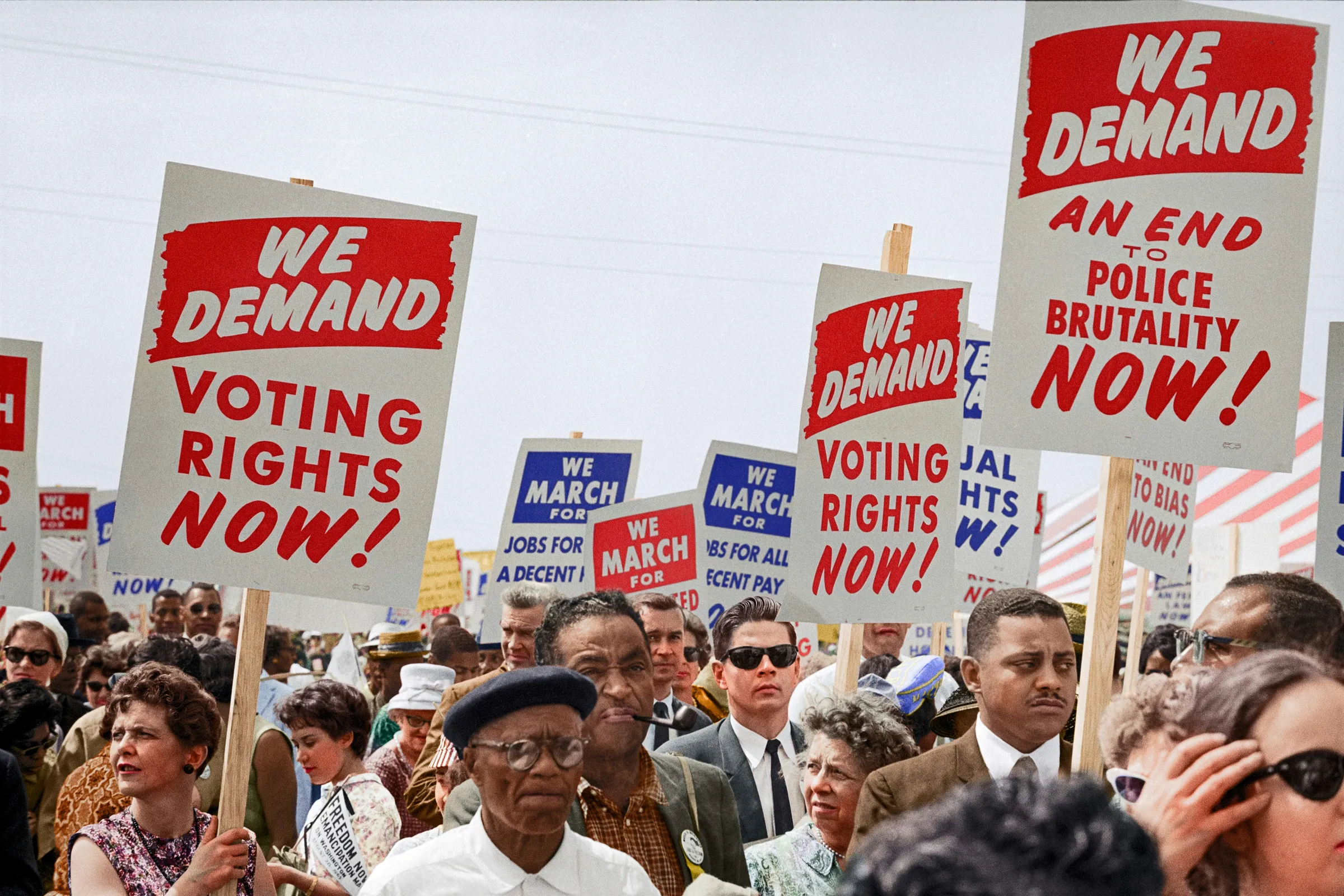


The international order is being reshaped by forces that operate simultaneously at the level of great power competition and individual human experience. Understanding this moment requires looking at both the macro trends and the micro realities that give them meaning.
The post-Cold War consensus — that the world was converging on a common model of liberal democracy and market economics — has given way to a more contested and uncertain landscape. Multiple visions of political and economic organization now compete for influence, and the outcome of that competition will determine the shape of the coming century.
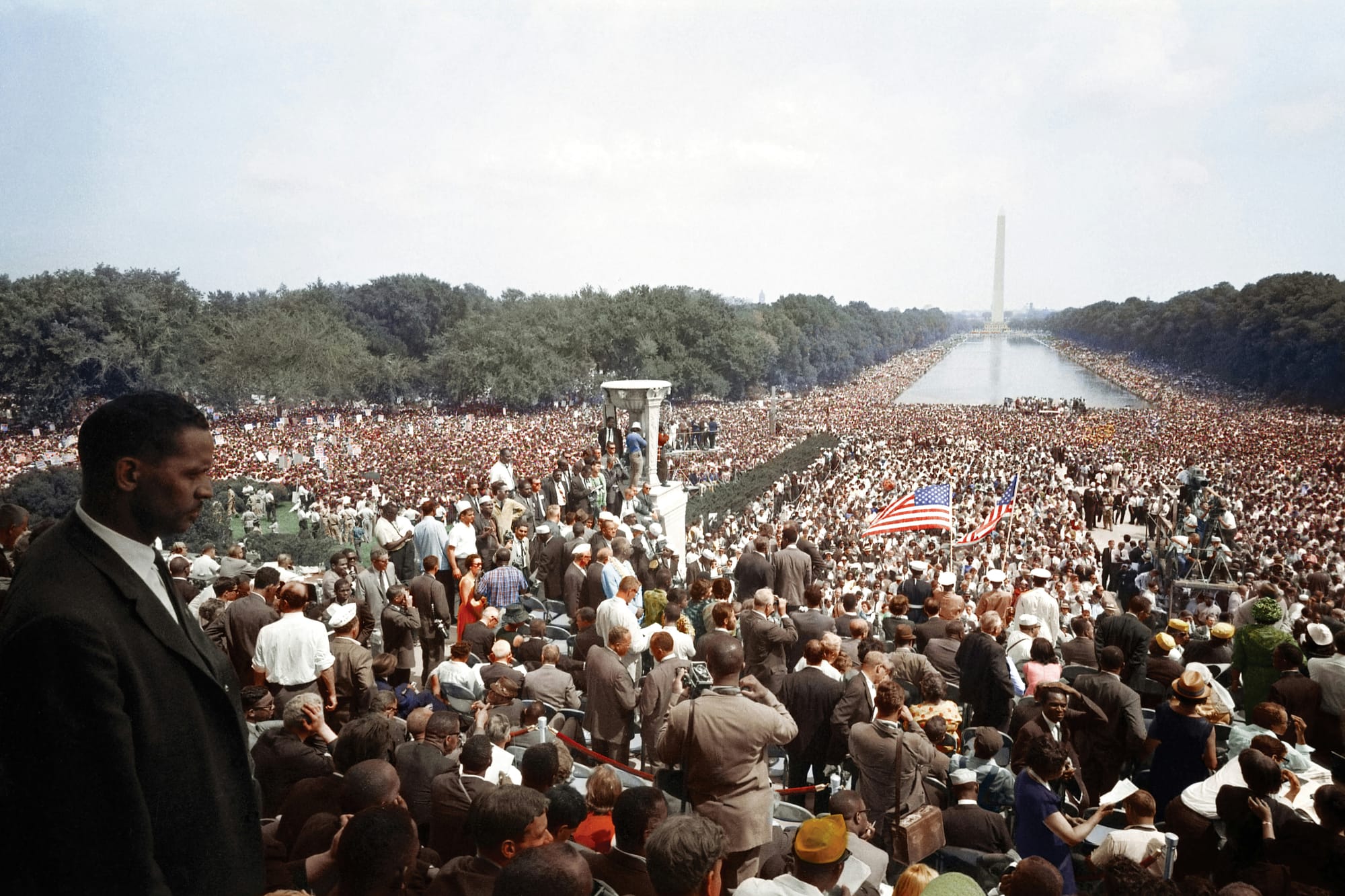
The Multipolar Reality
The post-Cold War assumption of American-led unipolarity has given way to a more complex and contested international landscape. Multiple centers of power — economic, military, and technological — are competing to shape the rules and norms that will govern the coming decades.
This transition is not without risk. Historical precedent suggests that periods of power transition are also periods of instability. Managing this transition peacefully is the central challenge of international relations today.
The institutions built to govern a bipolar and then unipolar world are straining under the demands of a multipolar one. The United Nations, the World Trade Organization, and the international financial institutions all require reform, but achieving consensus on that reform is itself a symptom of the challenge they face.
Regional Dynamics
While global headlines focus on great power rivalry, the most consequential changes are often happening at the regional level. New trade agreements, security arrangements, and diplomatic initiatives are reshaping relationships across Asia, Africa, and Latin America in ways that will have lasting global significance.
Africa, in particular, is emerging as a region of enormous potential and growing agency. Its young population, rapidly urbanizing societies, and abundant natural resources make it a key player in the global economy. The partnerships that African nations form in the coming years will shape the continent's trajectory for generations.
The Human Dimension
Behind the geopolitical abstractions are real people navigating real consequences. Migration, displacement, economic disruption, and the effects of climate change are shaping human lives in every corner of the world. The policies that matter most are those that address these human realities, not just the strategic calculations of states.
The global refugee crisis, now affecting over 100 million people, is a humanitarian emergency of historic proportions. It is also a political challenge that tests the capacity of international institutions and the compassion of host communities. How the world responds to this crisis will define its moral character for generations.
Diplomacy in the Digital Age
Diplomacy itself is evolving. Social media, real-time information, and citizen journalism have transformed the environment in which diplomats operate. The traditional tools of statecraft — quiet negotiation, patient relationship-building, carefully worded communiques — remain essential but must now coexist with a public sphere that demands transparency and speed.
Cyber diplomacy has emerged as an entirely new domain, with its own norms, challenges, and risks. The rules governing state behavior in cyberspace are still being negotiated, and the stakes — given the vulnerability of critical infrastructure to cyber attack — could not be higher.
Paths Forward
The international order that emerges from the current period of transition will be shaped by the choices made today — by governments, institutions, and citizens. The path toward greater cooperation is neither guaranteed nor foreclosed; it depends on the willingness of all parties to invest in the difficult work of building shared frameworks for a shared world.
The alternative — a fragmented world of competing blocs and zero-sum competition — is possible but not inevitable. The stakes of the choice are immense, and the time for making it is now.


