
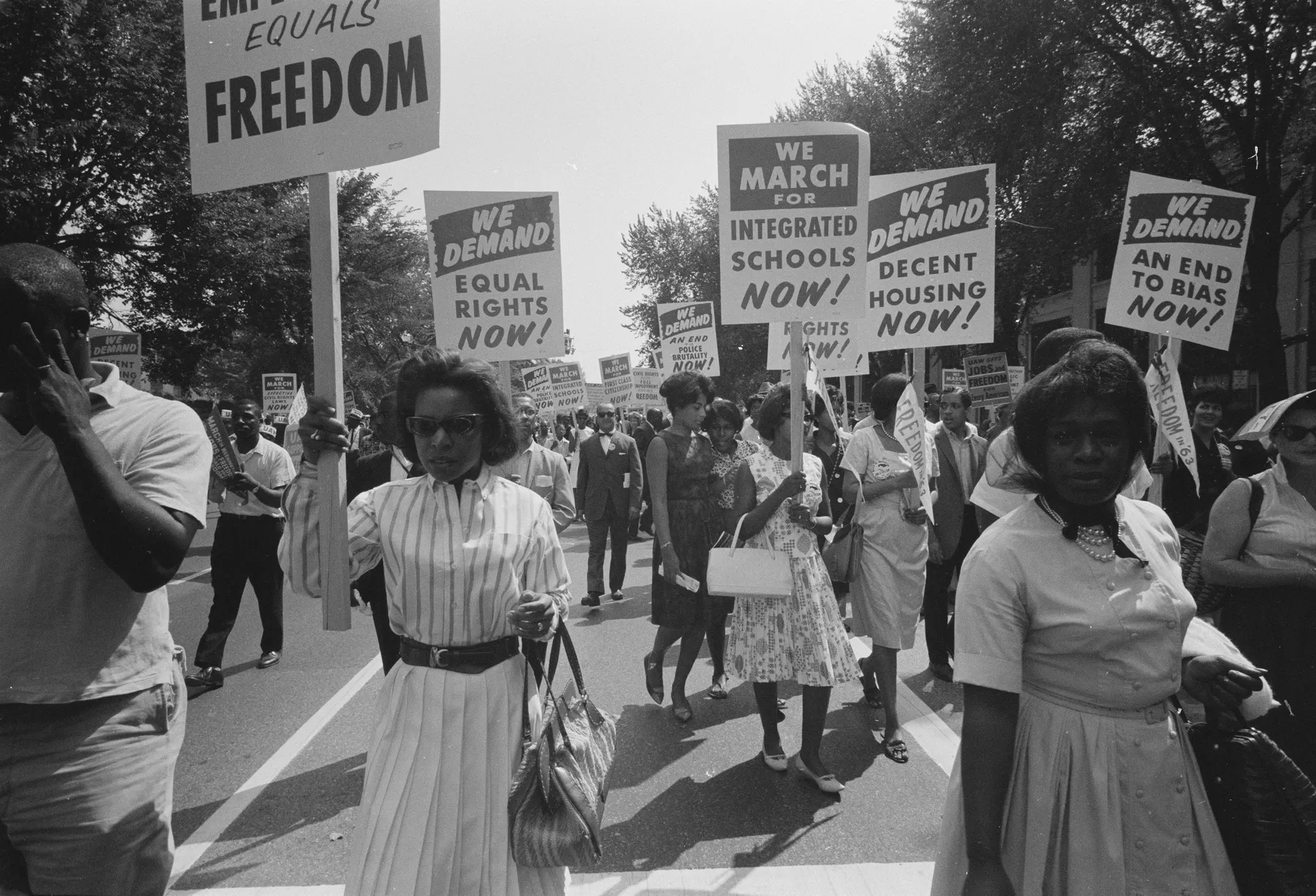
The political landscape has shifted dramatically in recent months, with new alliances forming across traditional party lines. What was once a predictable arena of left-versus-right has become something far more complex and, for many observers, far more interesting. The implications of this shift extend well beyond the next election cycle.
For decades, the basic architecture of political competition remained stable. Two major parties offered contrasting visions, and voters chose between them with reasonable predictability. That architecture is now under strain from forces both internal and external, and the cracks are impossible to ignore.
Political strategists on both sides acknowledge the shift. "The old playbook doesn't work anymore," says one senior advisor who spoke on condition of anonymity. "Voters are issue-driven, not party-driven, and the politicians who figure that out first will define the next decade."
The New Political Calculus
Across state legislatures and congressional offices, a quiet realignment is underway. Lawmakers who once voted in lockstep with their parties are finding common ground on issues that defy traditional categorization. Infrastructure, technology regulation, and housing policy have become the new battlegrounds where ideology matters less than pragmatism.
The data supports this assessment. In the most recent round of statewide elections, the candidates who performed best were those who broke with their party on at least one high-profile issue. The penalty for ideological impurity, it turns out, is smaller than the reward for demonstrated independence.
Recent polling data paints a picture of an electorate that is simultaneously frustrated and engaged. Voter registration numbers are up across every demographic, yet trust in institutions continues its long decline. This paradox — more participation, less faith — defines the current moment.
In swing districts, candidates are running on hyper-local platforms that deliberately avoid national culture-war issues. The strategy appears to be working, with several first-time candidates posting surprising polling numbers against established incumbents.
The fiscal debate alone could consume the session. With the national debt at historic levels and competing demands for investment and austerity, lawmakers face a set of choices that will reverberate for a generation. The easy compromises have already been made; what remains are the difficult ones.
International Implications
Domestic political shifts never occur in a vacuum. Trading partners and allies are watching closely, recalibrating their own strategies based on signals from Washington. The diplomatic corps has been working overtime to reassure foreign counterparts that policy continuity remains the goal, even as the political ground shifts beneath their feet.
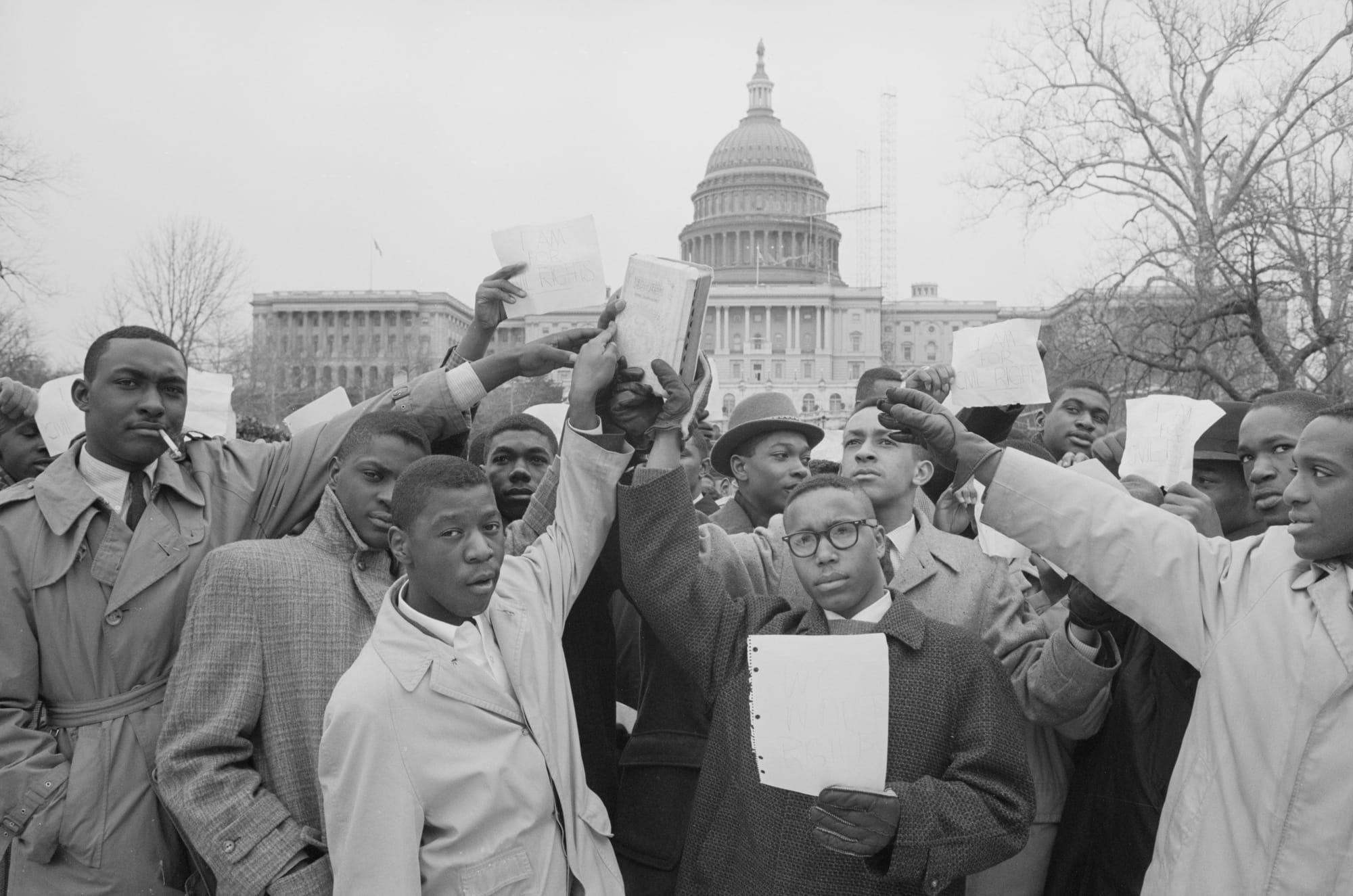
Political strategists on both sides acknowledge the shift. "The old playbook doesn't work anymore," says one senior advisor who spoke on condition of anonymity. "Voters are issue-driven, not party-driven, and the politicians who figure that out first will define the next decade."
The stakes are particularly high in the Asia-Pacific, where strategic relationships are being renegotiated in real time. A perceived lack of domestic consensus on foreign policy emboldens competitors and unsettles allies — a dynamic that the administration is keenly aware of but has limited ability to address.
The View From Outside Washington
Perhaps the most important political developments are happening far from the capital. Governors, mayors, and local officials are implementing policies that Washington has failed to act on, creating a patchwork of approaches to climate, housing, and technology that varies dramatically by jurisdiction.
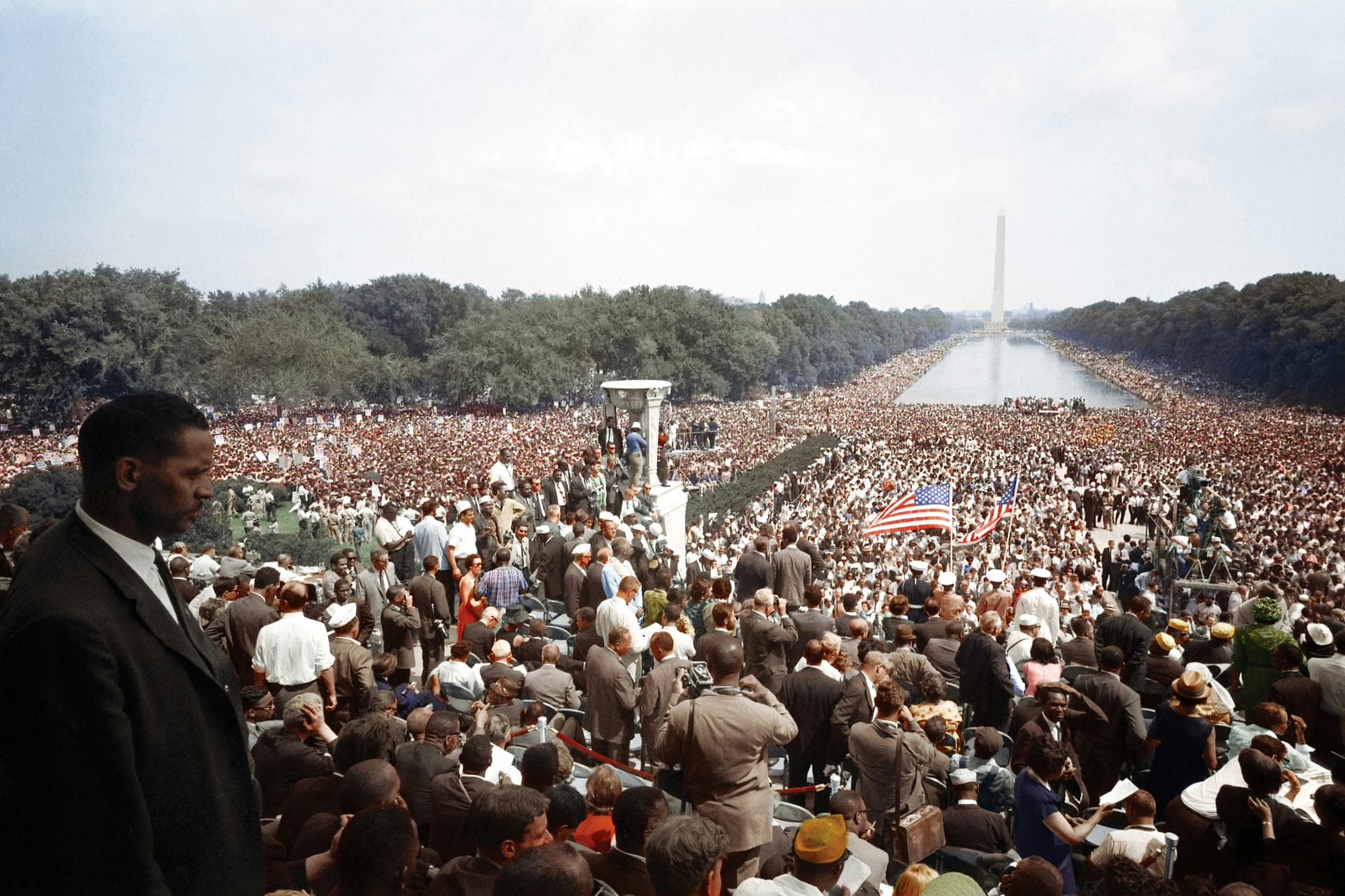
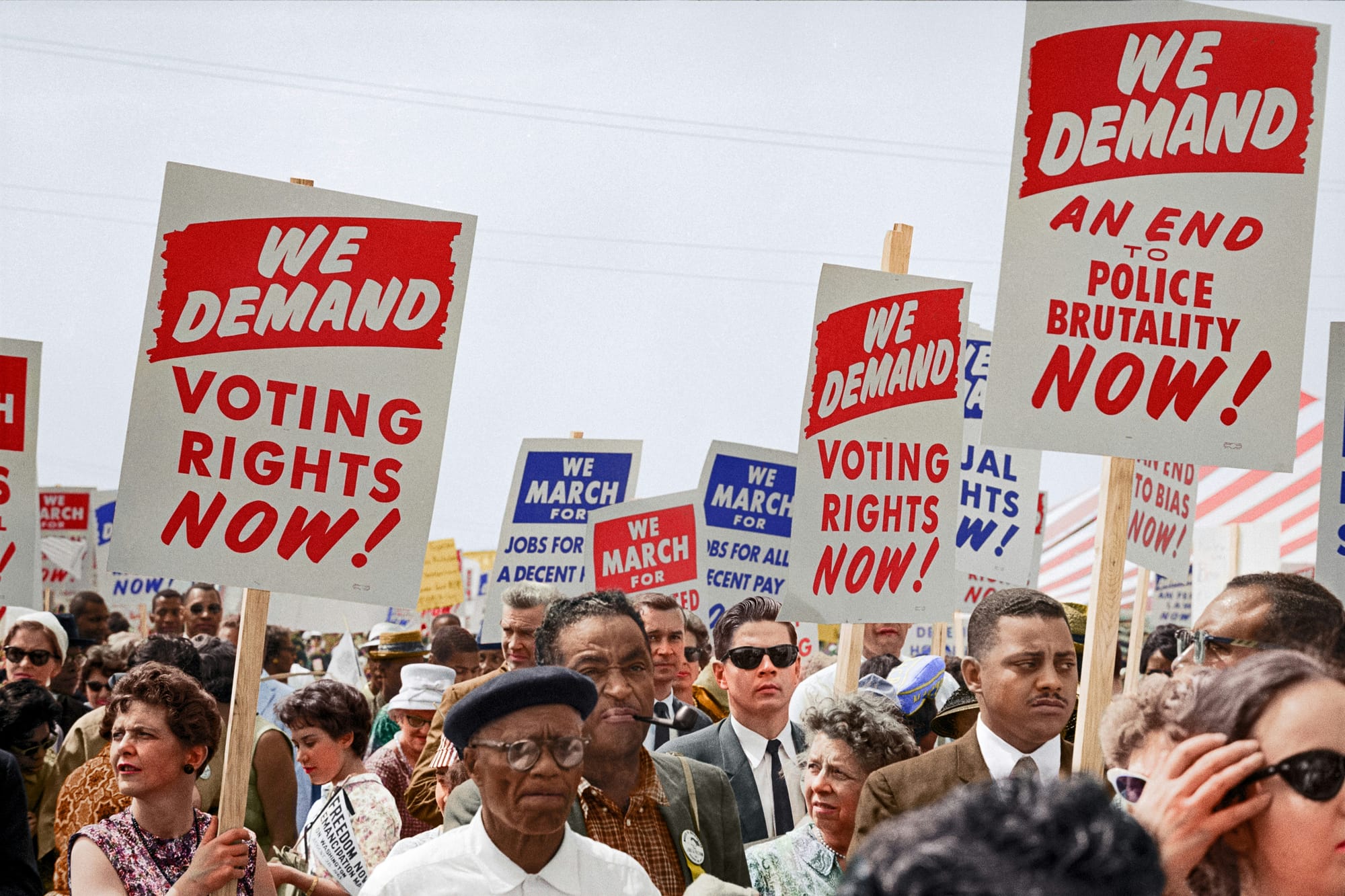
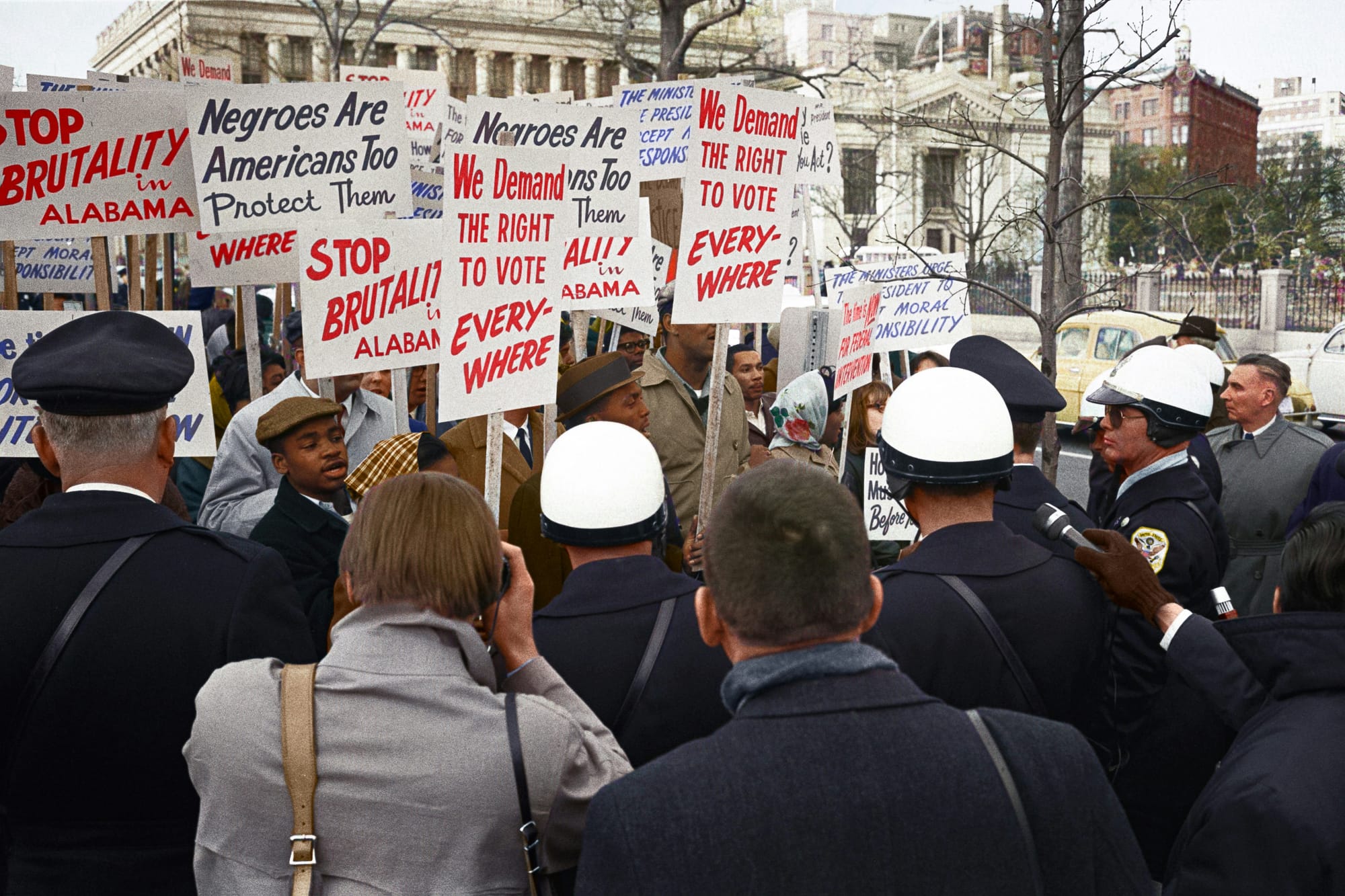
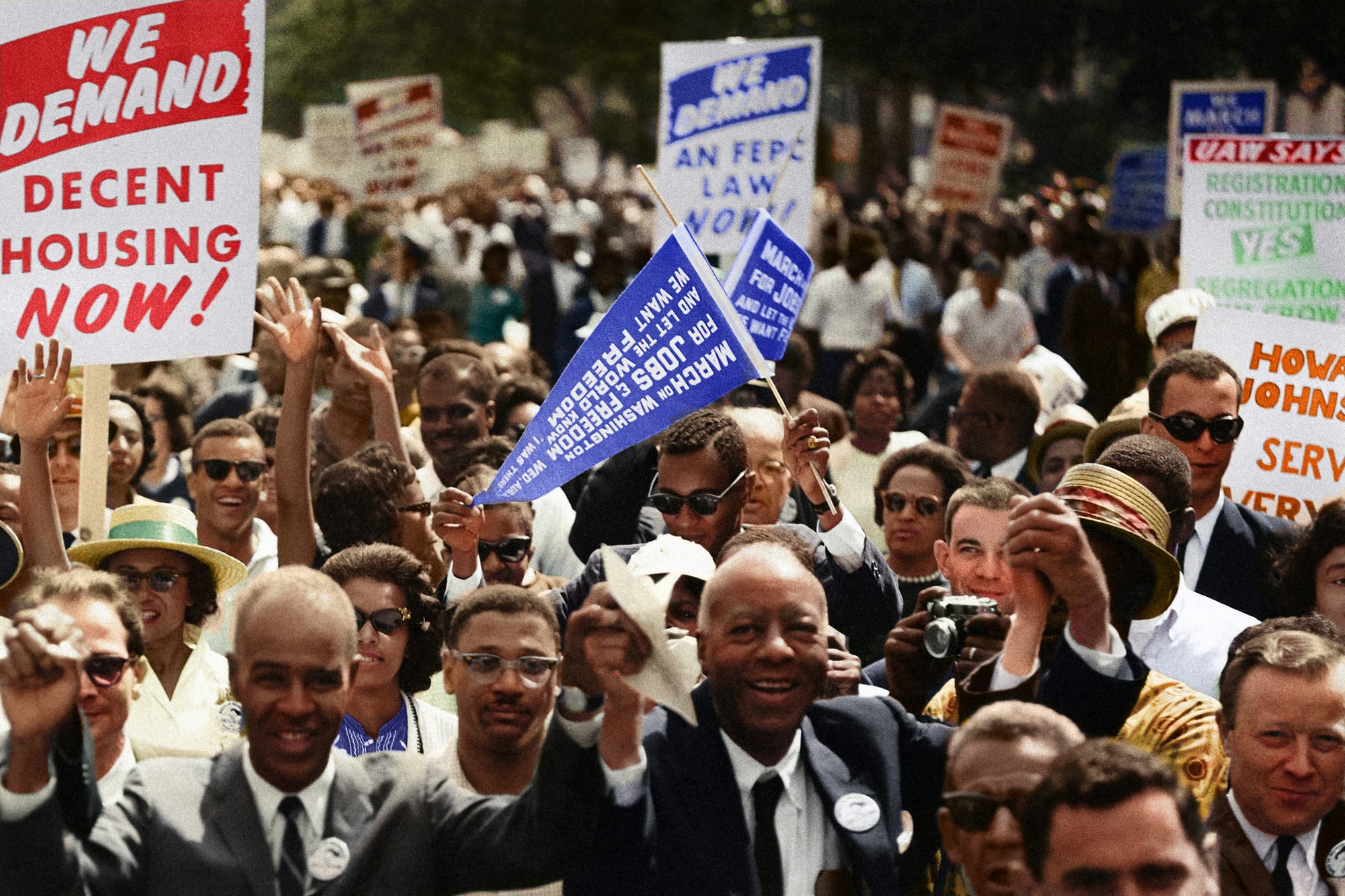
Voter Sentiment and the Midterm Outlook.
This federalist experimentation has always been a feature of American democracy, but the current degree of divergence is unusual. Citizens in different states are increasingly living under different regulatory regimes, raising questions about equity and national cohesion that are difficult to address in a polarized Congress.
For now, the world watches and waits, as American democracy continues its long, unscripted experiment in self-governance. The outcome is uncertain, but the engagement of citizens — at every level — suggests that the experiment is far from over.
Political strategists on both sides acknowledge the shift. "The old playbook doesn't work anymore," says one senior advisor who spoke on condition of anonymity. "Voters are issue-driven, not party-driven, and the politicians who figure that out first will define the next decade."


